AI Agents: How Intelligent Automation Is Transforming Modern Businesses?
AI Agents: How Intelligent Automation Is Transforming Modern Businesses?
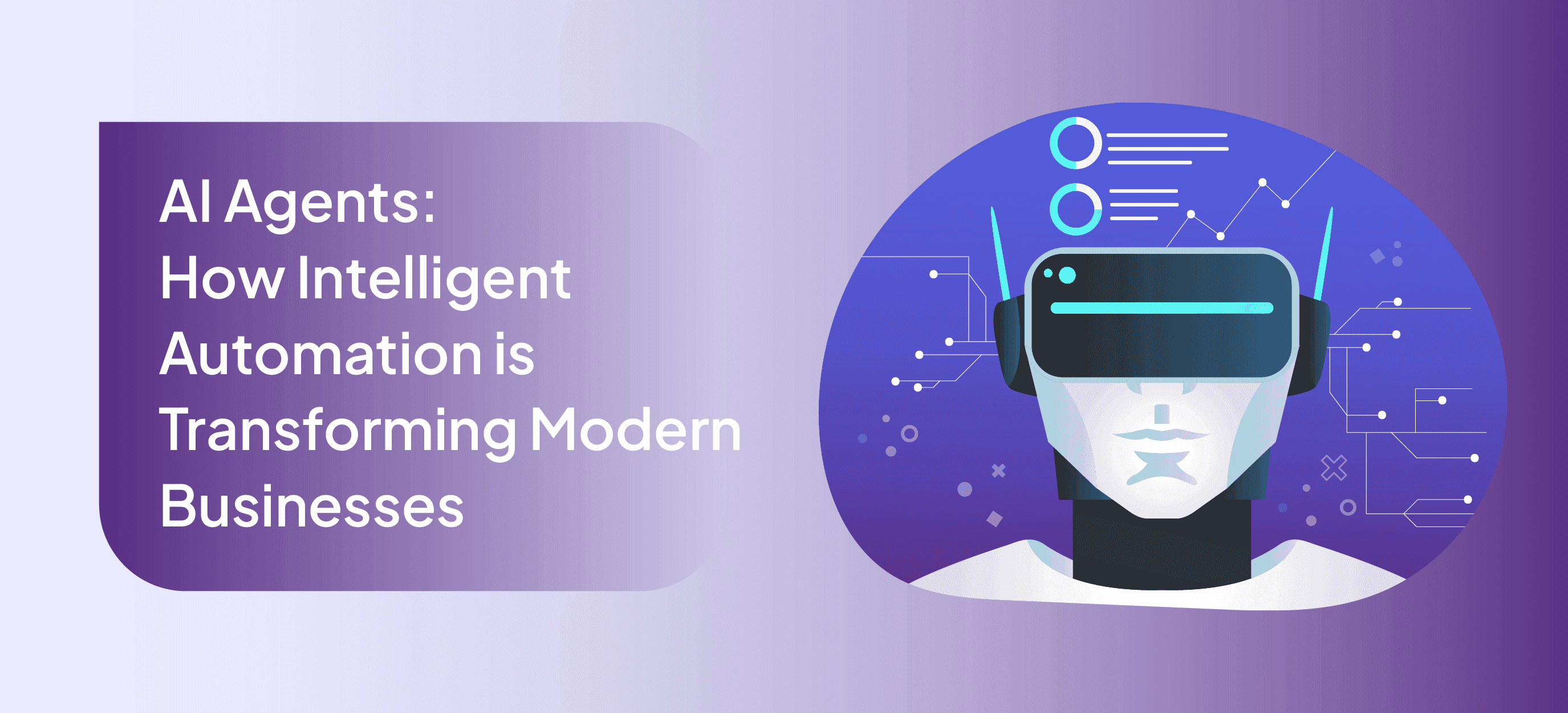
Artificial Intelligence has evolved far beyond simple chatbots and virtual assistants. Today's organizations are beginning to adopt AI Agents—intelligent systems capable of understanding context, making decisions, interacting with multiple business applications, and completing multi-step tasks with minimal human intervention.
Unlike traditional automation, which follows predefined rules, AI Agents adapt to changing information and execute workflows based on business objectives. They can retrieve information from CRM systems, generate reports from ERP platforms, respond to customer inquiries, schedule meetings, summarize documents, and even recommend the next best action based on available data.
This shift is transforming how businesses operate. Employees spend less time on repetitive administrative work and more time on strategic initiatives that require creativity, critical thinking, and customer engagement.
However, implementing AI Agents successfully requires more than simply deploying new technology. Organizations need clean data, integrated systems, strong governance policies, and clearly defined business processes. AI performs best when it operates within a structured digital ecosystem.
As enterprises continue investing in digital transformation, AI Agents are expected to become trusted digital coworkers, supporting departments across HR, finance, sales, operations, customer service, and IT.
The future of business automation isn't about replacing people—it's about empowering them with intelligent technology.
See Other Related Blogs
AI for Business in Saudi Arabia: How No-Code Platforms Are Revolutionizing Enterprises
Read More
Congnix AI: The Future of No-Code Artificial Intelligence for Saudi Businesses
Read More
IoT in Saudi Arabia: How to Power Smart Cities and Factories with OSIT Solutions
Read More
Artificial Intelligence in Saudi Arabia | The Future of Business with OSIT
Read More
Digital Transformation in Saudi Arabia | Start Your Roadmap with OSIT
Read More
AI Applications in Customer Service in Saudi Arabia | OSIT AI Solutions
Read More
HUMAIN & Groq Launch OpenAI Models Locally in Saudi Arabia
Read More
Saudi Investment in AI Infrastructure Boosted with 18,000 Nvidia AI Chips
Read More
Saudi Arabia Integrates Artificial Intelligence into Educational Curricula for 2025 (FiFreedomToday)
Read MoreAI for Business in Saudi Arabia: How No-Code Platforms Are Revolutionizing Enterprises
Read MoreCongnix AI: The Future of No-Code Artificial Intelligence for Saudi Businesses
Read MoreIoT in Saudi Arabia: How to Power Smart Cities and Factories with OSIT Solutions
Read MoreArtificial Intelligence in Saudi Arabia | The Future of Business with OSIT
Read MoreDigital Transformation in Saudi Arabia | Start Your Roadmap with OSIT
Read MoreAI Applications in Customer Service in Saudi Arabia | OSIT AI Solutions
Read MoreHUMAIN & Groq Launch OpenAI Models Locally in Saudi Arabia
Read MoreSaudi Investment in AI Infrastructure Boosted with 18,000 Nvidia AI Chips
Read More